



Non-surgical treatment of varicose veins is possible today. Recently, non-surgical methods have become the primary treatment option for varicose veins in the legs.
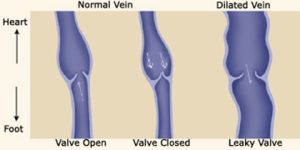
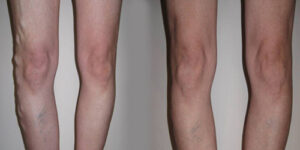
Varicose veins are not only a cosmetic condition, but also a progressive vascular disease. Varicose veins are a condition affecting the veins. Veins transport deoxygenated blood back to the heart. Unlike arteries, veins have their own valve system. These valves allow blood to flow toward the heart while preventing backflow.
In cases of varicose veins, the valves deteriorate, causing blood to flow backward toward the feet. This backflow leads to the expansion of veins under the skin, resulting in what we commonly refer to as “varicose veins.
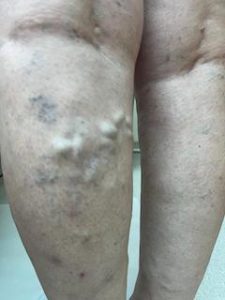
What Are The Causes of Varicose Veins in The Legs?
- Family History Matters
Genetic factors, multiple pregnancies, hormonal changes, prolonged standing (common in certain professions), and a history of vascular clotting can contribute to the development of varicose veins. Genetic predisposition, in particular, plays a significant role in this condition. If a woman has a family history of varicose veins, she is more likely to experience varicose vein issues later in life unless preventive measures are taken.
- More Than Cosmetic Concerns
While the visible appearance of enlarged veins is a common complaint among young women with varicose veins, there are other symptoms beyond aesthetics. Varicose veins can cause discomfort, pain, fullness, itching, leg cramps, restlessness, swelling, changes in skin color, and non-healing wounds.
- Women are Prone
Scientific evidence suggests that hormonal changes in women contribute to the accelerated development of varicose veins. Additionally, pregnancy can predispose women to varicose vein formation.
Diagnosis of Varicose Veins
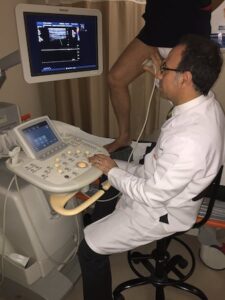
Although varicose veins can often be diagnosed visually, an interventional radiologist should conduct a thorough evaluation using “Doppler ultrasonography” for treatment planning. Vein mapping helps identify the specific veins with valve insufficiency that contribute to varicose veins.
Varicose veins are a common condition where the veins become swollen and bulge just under the skin’s surface, typically in the lower body. If left untreated, they can lead to complications such as ulcers, blood clots, and skin changes.
Non-Surgical Treatment of Varicose Veins
Fortunately, there are several treatment options available. Let’s explore some of them:
- Endovenous Thermal Ablation Treatments:
- Radiofrequency Ablation: This method involves sealing the affected vein by using radiofrequency energy.
- Laser Ablation: Similar to radiofrequency, laser ablation seals the vein by using laser energy.
- Endovenous Non-Thermal Ablation Treatments:
- Foam Sclerotherapy: In this procedure, a foam solution is injected into the vein to close it off.
- Varicose Vein Treatment with Adhesive: Adhesive is used to seal the vein.
- Mechanochemical Varicose Vein Treatment: This method combines mechanical and chemical approaches to treat varicose veins.
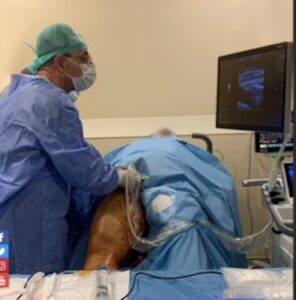
Endovenous Thermal Ablation (EVTA) Treatment
EVTA is performed by accessing the affected vein from within. Using Doppler ultrasonography, a radiofrequency or laser fiber is placed into the vein. Heat is applied, sealing the vein. Advantages over surgical methods include no visible scars, no need for general anesthesia, and shorter hospital stays. After EVTA, foam sclerotherapy may be applied to remaining varicose veins.
Remember that while the long-term results of non-thermal adhesive and mechanochemical treatments are not fully known, they offer the benefit of not requiring tumescent anesthesia. If you have concerns about varicose veins, consult a healthcare professional for personalized advice and treatment options.
♥ To get more information about non-surgical treatment or termal ablation of varicose veins and take an appointment from our interventional radiology department in Istanbul, Turkey, Please call +90 533 336 48 30