



Uterine Fibroids or Myoma

Uterine fibroids are benign tumors of the uterus. They cause many symptoms. They are found in one out of every four women between the ages of 30 and 40. Their incidence increases with age. However, fibroids tend to regress with menopause.
Uterine Artery Embolization
Embolization is indeed an alternative method for treating myoma (also known as uterine fibroids) without resorting to surgery. Let’s delve into the details:
-
Myoma Diagnosis:
- Ultrasonography is commonly used to diagnose myomas.
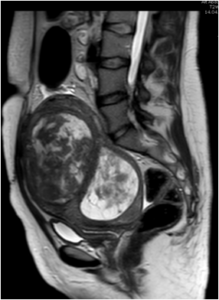
- Magnetic resonance imaging (MRI) is essential for pre-treatment planning. It provides clear visualization of the location, extent, and dimensions of fibroids within the uterus.
- Additional tests, such as vaginal smear and uterine biopsy, may be necessary to rule out other uterine pathologies before treatment.
-
Uterine Artery Embolization:
- Myoma embolization is a minimally invasive procedure that has gained popularity, especially in developed countries.
- It serves as a primary treatment option for young patients who prefer to avoid surgery and preserve their uterine tissue.
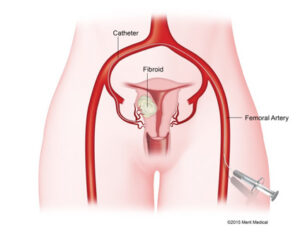
- Here’s how it works:- The artery that supplies blood to the fibroid is accessed via angiography.
- Various occlusive substances are introduced into the artery, effectively embolizing it.
- Fine-tipped catheters are used to protect other tissue branches while targeting the most extreme branch feeding the fibroid.
- By cutting off the blood supply to the fibroid, its growth is halted, and it eventually shrinks.
- This method significantly alleviates patient complaints.
- Notably, it offers great advantages for young, nonmenopausal patients who wish to retain their uterus and fertility.
Remember that myoma embolization is a safe and effective alternative, particularly for those who want to avoid surgery while addressing their symptoms. It allows patients to preserve their reproductive optins and maintain their quality of life.


In What Cases is Embolization Appropriate
Embolization is a safe and effective technique that can be applied in specific cases. Let’s explore its benefits and considerations:
- Eligibility for Embolization:
- Embolization is suitable for patients who meet certain criteria:- No ongoing pregnancy.
- Absence of inflammatory conditions.
- No uterine or ovarian cancer.
- Normal kidney function.
- Embolization is suitable for patients who meet certain criteria:- No ongoing pregnancy.
- Side Effects and Risk Reduction:
- Like any medical procedure, embolization may have side effects:- Infrequent infections.
- Short-term fever.
- Pain.
- To minimize these risks, patients may receive antibiotics and painkillers before the procedure
- Like any medical procedure, embolization may have side effects:- Infrequent infections.
- Advantages of Myoma Embolization:
- Scar-Free: Unlike surgery, embolization doesn’t leave visible scars on the skin.
- Quick Recovery: Patients can return to work or normal life the day after the procedure due to short hospitalization.
- No General Anesthesia: Embolization doesn’t require general anesthesia.
- Comprehensive Treatment: It addresses all myomas simultaneously during the procedure.
- Low Complication Rates: The method is associated with minimal complications.
- Repeatability: Embolization can be repeated if needed.
Remember that embolization offers a viable alternative for managing myomas, especially for those who prefer to avoid surgery and maintain their quality of life.
MR images shows pre-embolizationa and 3th month follow-up after uterine artery embolization in patient with pelvic pain. More than %75 size reduction was obtained in the size of fibroid.


MR images shows pre-embolization (left 1.and 2.)and post-embolization (right 3. and 4.) 6th month follow up in patient with hypermenorrhea. Fibroid was almost disappeared.
♥ To get more information about treatment of myoma uteri or uterine artery embolization and take an appointment from our interventional radiology department in Istanbul, Turkey, Please call +90 533 336 48 30